

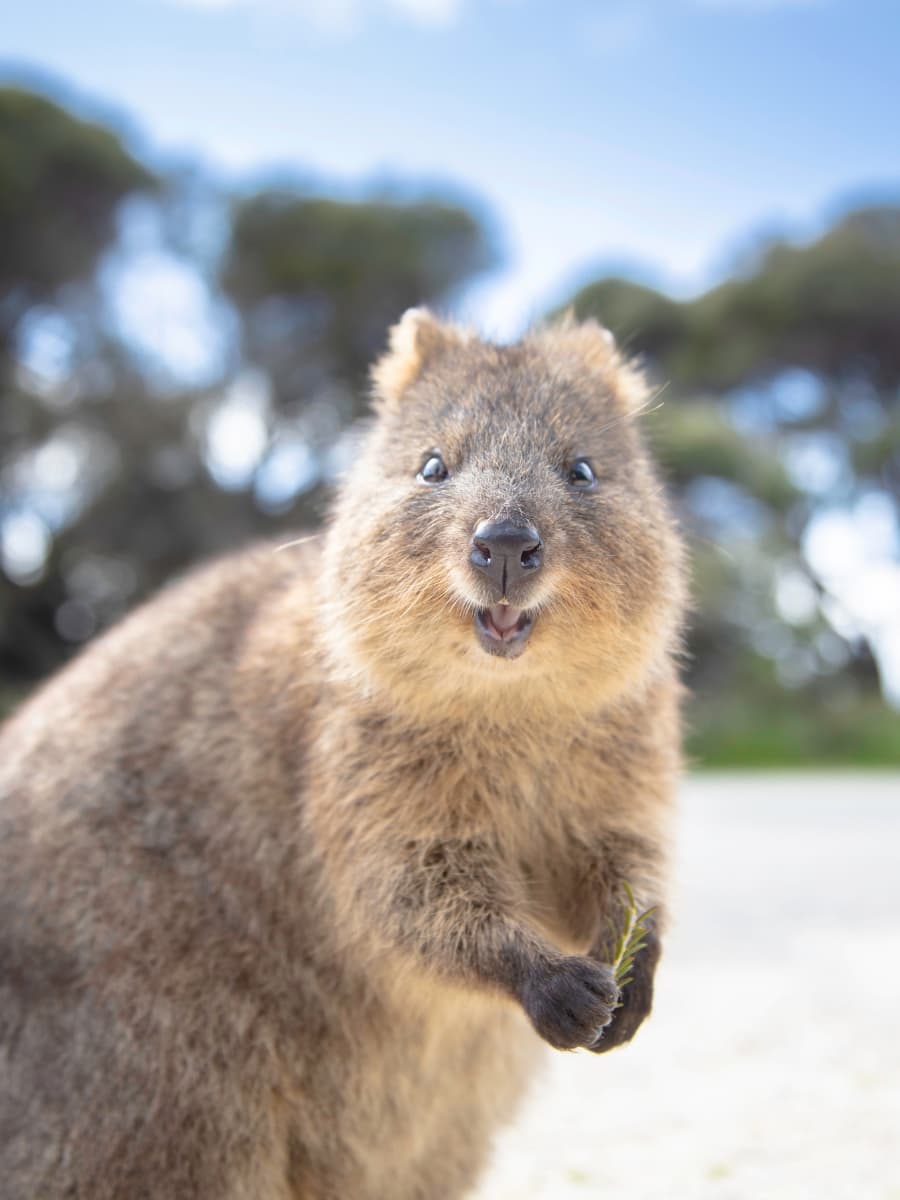
The first time I visited Rottnest Island, I wasn’t prepared for how heart-melting it would be to meet a quokka. Holy moly they are SO CUTE! These little marsupials always look like they’re grinning and that cheeky smile is exactly what’s made them world-famous. Even celebs like Matt Damon, Margot Robbie and Chris Hemsworth have seen the quokkas on Rottnest Island and joined the quokka selfie club.
Just a short ferry ride from Perth, Rottnest is one of the best places on the planet to see quokkas in the wild. They roam freely across the island, and while spotting one is easy, doing it respectfully takes a bit of know-how.
Despite their friendly vibes, quokkas are a vulnerable species. Rottnest Island or Wadjemup, is a rare haven where they’ve adapted surprisingly well to humans – even becoming more active during the day. Watching one snooze under a bush or bounce across a beach path never gets old. And if you’re lucky, you might spot a tiny joey peeking out from mum’s pouch!
Read on for my top tips on where to find quokkas on Rottnest Island and how to snap the perfect quokka selfie (without being that tourist) so you can have a fantastic Perth wildlife experience.
Rottnest Island Mini Guide
While you’re here for the Quokkas, don’t miss these top spots!
Where to Stay
- Samphire Rottnest (luxury)
- Discovery Rottnest (Glamping)
Where to Eat
- Pinky’s Rottnest Island (best vibes)
- Rottnest Bakery (best breakfast)
- Lontara (best dinner)
Things to Do
- Skydiving!
- Snorkelling at The Basin
- Lunch Seafood Cruise
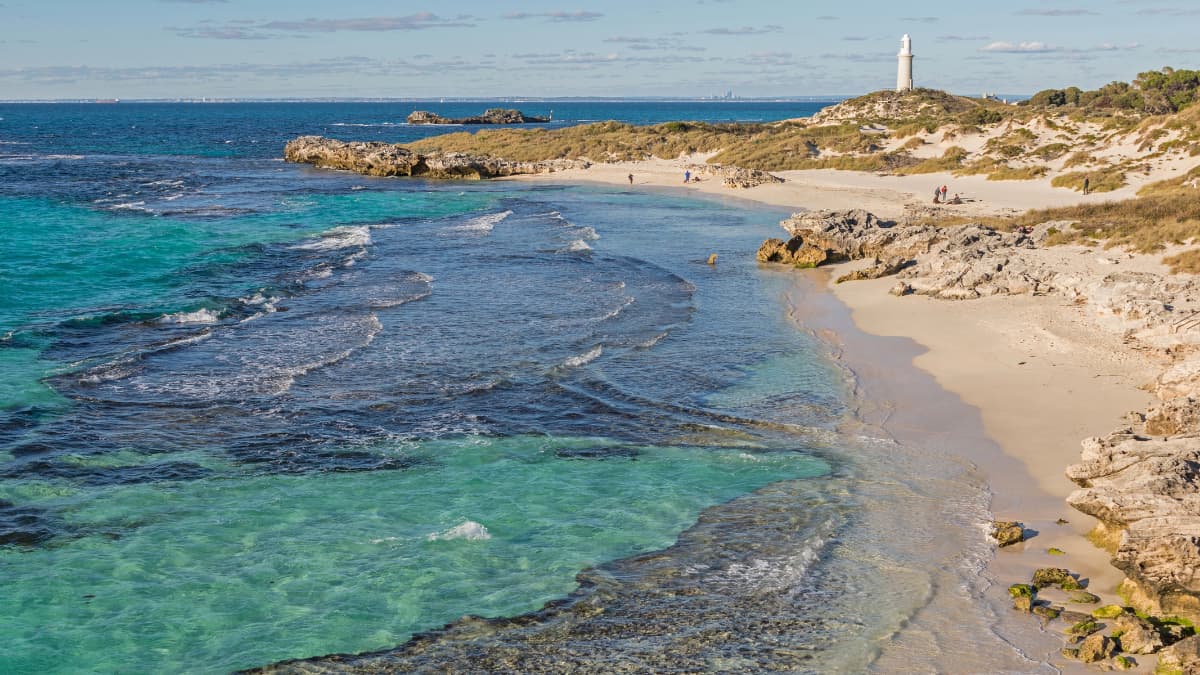
- Bathurst Lighthouse
Best Spots to Find Quokkas on Rottnest Island
Throughout my many visits to Rottnest Island, I’ve discovered several reliable locations where you’re almost guaranteed to spot these friendly residents:
1. Thomson Bay Settlement
If it’s your first time looking for quokkas on Rottnest, start at Thomson Bay. This is the main hub of the island, where the ferry pulls in, and also where you’re almost guaranteed a quokka sighting within minutes of arrival.
They love hanging around the cafes, shops and shady walkways here, often lounging under benches or sniffing around for crumbs (please don’t feed them!). Because it’s all flat and paved, it’s a great option for families with prams or anyone with limited mobility.
Quokkas here are used to the hustle and bustle, so they’re fairly relaxed around people. I usually spot them early in the morning or late arvo when it’s a bit cooler – they tend to nap through the heat of the day.
Facilities: public toilets, shaded seating, cafes, the famous Rottnest Bakery and general store. Plus you’re never far from a good coffee!

Read this next: Rottnest Island Day Trip Itinerary: The Best of Rotto in One Day!
2. The Basin & Pinky Beach Area
If you’re heading out for a swim or snorkel, keep your eyes peeled around The Basin and Pinky Beach, quokkas often forage in the low scrub just off the walking trails. It’s a bit quieter than Thomson Bay, so you can sometimes spot them without the crowds.
I’ve seen them popping out of the bushes near the boardwalks, especially in the cooler parts of the day. They might wander over out of curiosity, but remember – no feeding, even if they look like they’re begging for your sandwich. It’s not good for them, and fines do apply.
This is a solid spot to mix a quokka-spotting stroll with a swim at one of the island’s best beaches. Just pack water and sunscreen because facilities are limited once you’re away from the main strip.
3. Underwood Avenue Boardwalk / Gardens Near Hotel Rottnest
Just a short stroll from the main strip, this patch near Hotel Rottnest is a bit of a hidden gem. The shady gardens and boardwalk along Underwood Avenue are a favourite resting spot for quokkas, especially in the heat of the day.
It’s quieter here, with fewer people rushing past, so it’s a good place to watch them doing their thing without disturbing them. If you’re keen to snap a respectful quokka photo (from a safe distance), this is a great spot to try.
Keep your voice down, stay on the path, and resist the urge to crouch too close – they’re wild animals, even if they act chill.
4. Geordie Bay and Longreach Bay
If you’re up for a short bike ride or hop on the Island Explorer bus, Geordie Bay and neighbouring Longreach Bay are worth a visit and not just for the crystal-clear water. These quieter parts of the island are also home to plenty of quokkas, especially around the shady campsites and bushy edges of the walking trails.
I’ve spotted quokkas here snoozing under low shrubs or hopping between the villas in the late afternoon. It’s a peaceful alternative to the busier Thomson Bay area and a lovely spot to take it slow.
5. Wadjemup Bidi Trails
For a more natural quokka encounter, head off the beaten track on one of the Wadjemup Bidi trails. The Gabbi Karniny Bidi is a 10 km loop that winds through inland bush, salt lakes and quieter pockets of the island where quokkas behave a bit more like wild animals and less like selfie pros.
You’ll need a decent level of walking fitness for this one, plus plenty of water and sun protection – there’s not a lot of shade once you’re out there. But the payoff is big: fewer people, more bushland and a higher chance of spotting quokkas quietly foraging, grooming, or napping under scrub.
This trail gives you a glimpse into the quokkas’ real habitat and it’s one of the best ways to appreciate them without the crowds.
How to get the Perfect Quokka Selfie
Snapping a selfie with a quokka has become a bit of a Rottnest tradition, but it’s easy to forget these cuties are still wild animals. Here’s how I keep it fun and respectful:
Getting the Shot
- Let them come to you: I sit quietly nearby and wait. Quokkas are curious and often wander over on their own.
- Stay low: Sitting or crouching helps you get a natural-looking shot at their level.
- Use a wide-angle: Smartphone wide mode or a GoPro works well to fit both of you in the frame without getting too close.
- No flash: Their eyes are sensitive and sudden light can really stress them out.
Respect and Awareness
- Keep your distance: No touching, chasing or blocking their path. A bit of space keeps things chill.
- Don’t feed them: Human food can make them sick and it’s against the rules.
- Keep it short: Even if they stick around, I keep my interaction to a few minutes max.
- Stay aware: Avoid crowding, loud noises or anything that might spook them.
Quick Do’s and Don’ts
| Do | Don’t |
| Observe quietly | Feed them: even tiny crumbs can be harmful |
| Let them come to you | Touch or pick them up |
| Take photos without disrupting their behaviour | Offer water: they get what they need from native plants |
| Report sick or injured animals to island staff | Wear strong repellents or scents that might irritate them |
Quokkas might seem friendly, but they’re still wild. Giving them space helps keep Rottnest a safe haven and makes your experience feel that bit more special.
Read this next: Where to See Kangaroos in Perth: Wild Encounters & Close-Up Experiences!
Best Time to Spot Quokkas on Rottnest Island
Quokkas are technically nocturnal, but the ones on Rottnest are pretty used to humans and often active during the day. That said, timing still makes a big difference.
From experience, your best bet is:
- Early morning (around 7–9am): Before the heat sets in, quokkas are often out foraging.
- Late afternoon (from 4pm onwards): As things cool down, they start moving again.
- Dusk:A natural peak in activity, though lighting’s trickier for photos.
During the middle of the day, especially in summer, they tend to rest in the shade. You might still see them, but they’ll likely be dozing or tucked away.
Seasonal Tips for Spotting Quokkas on Rottnest Island
- Spring (Sep–Nov): Ideal mix of mild weather and active quokkas – it’s also joey season, so you might spot babies in pouches.
- Summer (Dec–Feb): Hot and busy. Quokkas shelter during peak heat, but you can often find them hiding in shady spots.
- Autumn (Mar–May): Still warm, with fewer crowds and good activity levels.
- Winter (Jun–Aug): Cooler and quieter – you’ll see fewer quokkas out and about during the day, but it’s still possible, especially in sheltered areas.
Cooler, overcast days tend to bring more consistent sightings throughout the day, while hot, sunny ones usually mean shorter viewing windows early and late.
Read this next: Where to See (and Hold!) Koalas in Perth
Fun Facts About Quokkas
Here are some fun facts about quokkas:
- They’re part of the macropod family: so they’re cousins to kangaroos and wallabies, just on the pocket-sized end.
- That famous “smile” isn’t a grin: it’s just the natural shape of their mouth, not a sign they’re happy (though they do look pretty stoked).
- They can go without fresh water for ages: quokkas get most of their moisture from leaves and grasses.
- They’re mostly nocturnal: but on Rottnest, they’ve adapted to be more active during the day (great news for visitors).
- They can climb!: small trees and shrubs aren’t off-limits for a curious quokka.
- They breed just once a year: usually in late summer, and joeys stay in the pouch for about 6 months.
- Mums can have a backup baby: if conditions are right, a second embryo waits “on pause” in case the first joey doesn’t survive. Wild, right?
- They use tunnels in the scrub: quokkas create little pathways under bushes to move around safely.
- They’ve got a great memory for food spots: and will often return to the same shady patch or berry bush.
- Rottnest is one of the only places you’ll see them in the wild: their mainland populations are much smaller and less visible.
Last Words on Quokkas on Rottnest Island
Quokkas are one of WA’s most iconic creatures and seeing them in the wild on Rottnest is a pretty special experience. Whether you’re snapping a quick photo or just watching them bounce by, a bit of respect goes a long way. Stick to the paths, give them space, and enjoy the magic of meeting these little legends on their own turf.
Perth to Bunbury Road Trip Guide

Lights, Nature, Magic: Lightscape Returns to Kings Park This Winter
Dolphins in Perth: How to See and Swim With Dolphins

Fishing in Mandurah: The Complete Local Guide to Spots, Species & Seasons

Complete Guide to Fishing in Bunbury WA: Top Spots, Gear Tips & What You’ll Catch

