

I’ve spent a fair few weekends flicking soft plastics around WA’s estuaries, whether it’s working the canals around Mandurah or drifting a lure through the deeper holes in the Swan. I’m no expert, but over time I’ve figured out what tends to work and what doesn’t.
In this guide, I’ll run through some of the best soft plastics for WA estuaries. I’ll cover different lure styles, when and where they shine and share a few personal go-to options that have delivered time and again in local waters.
Estuaries in WA are a mixed bag. Some have clear water and sandy bottoms, others are murky and full of structure, or heavily affected by tides and runoff. That variety plays a huge role in what works, so I’ve put this together with WA’s estuary conditions in mind.
Quick Look: Best Soft Plastics for WA Estuary Fishing
| Image | Lure | Best For | Action Style | My Go-To Size | Where to Use |
|---|---|---|---|---|---|
|
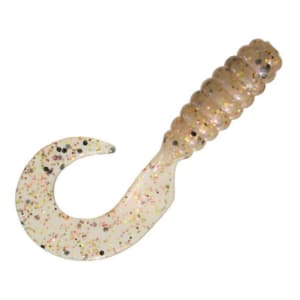
ZMan GrubZ | Bream, Flathead | Subtle tail flick | 2.5” | Structure, slow water |
|
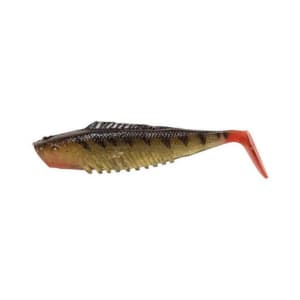
Squidgies Fish | Flathead, Tailor | Thumping paddle tail | 70mm | Flats, channels |
|
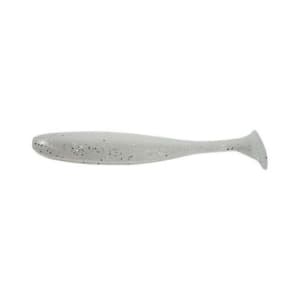
Keitech Easy Shiner | Clear water, spooky fish | Natural swim | 3” | Clear estuaries |
|
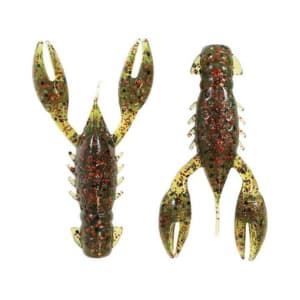
ZMan TRD CrawZ | Bream near structure | Creature bait | 2.5” | Jetty pylons, snags |
What Makes a Good Soft Plastic Lure for WA Estuaries?
When I’m choosing soft plastics for WA estuary fishing, here’s what I look for:
- Natural movement in the water: It should mimic real bait like a prawn, baitfish or worm. Lures with a nice tail flick or lifelike glide on the drop tend to get more bites.
- Works for local species: A good all-rounder should catch bream, flathead, tailor, and juvenile mulloway. I usually go for 2-4 inch plastics in colours that match local baitfish.
- Durable in tough terrain: WA estuaries are full of snags, jetties, and rock walls. A strong, flexible plastic holds up better when you’re fishing tight to structure.
- Easy to use (even for beginners): Whether you’re new to fishing or just want a relaxing session, you want something that’s simple to rig and doesn’t need a fancy retrieve to work.
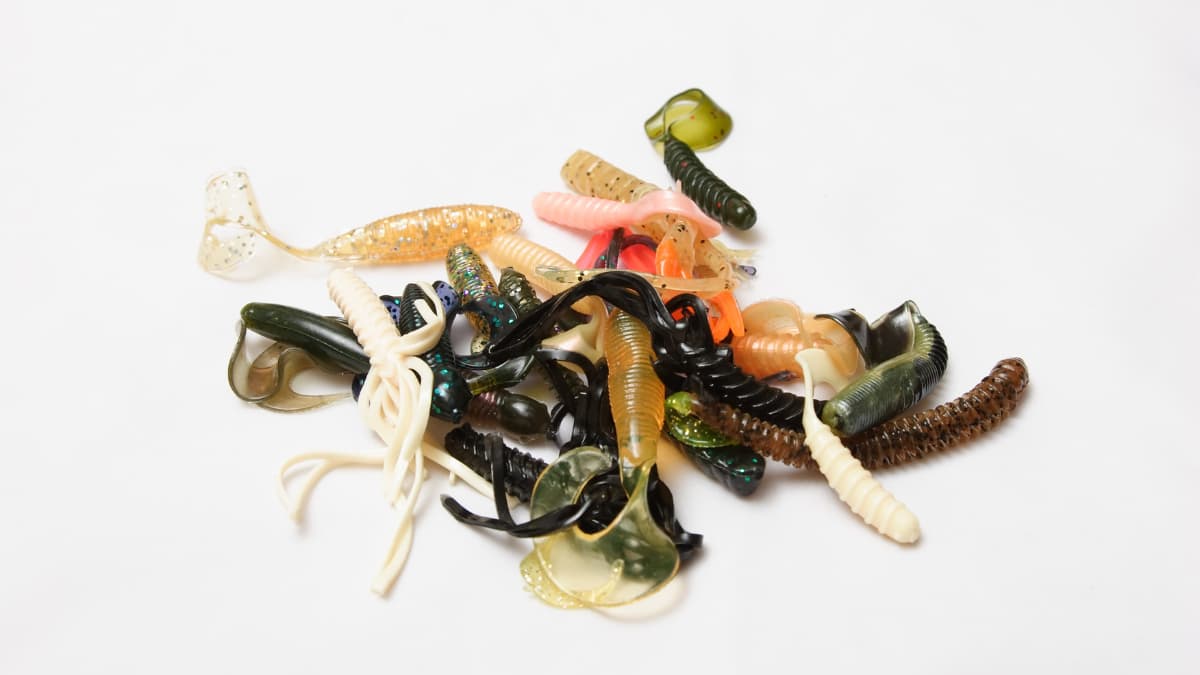
Top WA Estuary Species That Hit Soft Plastics
One of the things I enjoy about fishing soft plastics in WA estuaries is how unpredictable it can be – you’re never quite sure what’ll strike next. Here are some of the species you’re most likely to come across:
Black Bream
A classic WA estuary target. Bream love hanging around structures, think: jetties, rock walls, fallen trees, and they’ll often smash a well-placed soft plastic. Grub tails and creature baits are a solid bet, especially if you’re working the lure slowly near cover.
Flathead
These bottom-dwelling ambush predators are more common in some estuaries than others, but when they’re around, they’re a great target on soft plastics. Paddle tails and slim-profile minnows bounced along drop-offs or sandbanks tend to get their attention.
Tailor
Tailor often cruise into estuaries chasing baitfish, especially around summer and autumn. They hit hard and fast, usually on the drop or during a steady retrieve. If you hook one, be ready for a bit of chaos. Keep in mind their teeth will tear through soft plastics, so it’s worth carrying a few spares.
Mulloway (juveniles)
Juvenile mulloway show up in deeper estuary channels and holes, especially around tide changes or after dark. They’ll often take larger plastics with a slow roll or hop along the bottom. They’re a bit of a wildcard, but always a welcome surprise when they show up.
Best Soft Plastic Lures by Style
There are heaps of soft plastic shapes out there, but a few styles reliably get the job done in WA’s estuaries. Here’s a breakdown of the ones I reach for most, and when they tend to work best.
Grub Tail Plastics
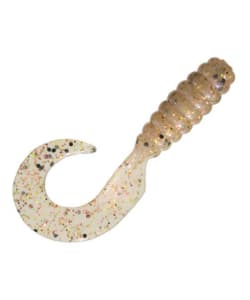
These are my go-to when the bite’s a bit slow or the current’s gentle. The curly tail kicks with even the tiniest movement, which can tempt shut-down bream or flathead when nothing else is working. The ZMan GrubZ 2.5” is a ripper. It’s tough as nails, the perfect size for estuary species, and keeps its action even after a few bites.
Grab the ZMan GrubZ 2.5” from BCF
Paddle Tail Plastics
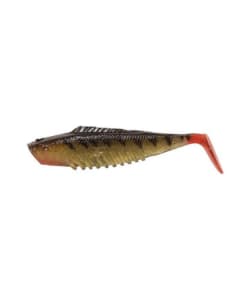
I tend to use paddle tails when I want to cover ground and find fish that are switched on. The tail puts out a strong vibration, which is handy for dirtier water or when fish are spread out. They’re great on flathead and tailor, especially with a slow, steady retrieve. The Squidgies Fish has been around forever for a reason – it just works.
Check out Squidgies Fish at BCF
Minnow-Style Plastics
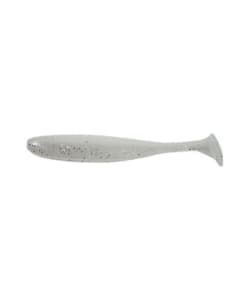
These are great when the water’s clear or fish are feeding on small bait like herring or whitebait. Minnows have a slim profile and a subtle darting action, especially good when you mix in some twitches and pauses. The Keitech Easy Shiner is a standout. It swims beautifully, comes in WA-friendly bait colours, and just looks right in the water. Keep in mind they are fairly soft, which is great for action but they can tear easily when tailor hits.
Get Keitech Easy Shiners at BCF
Creature Baits
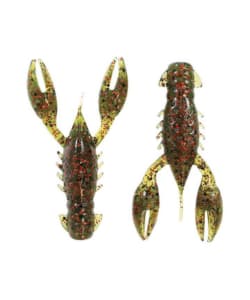
Creature baits come into play when I’m fishing tight to structure, think: jetties, pontoons, or rock walls. All those little legs, claws and flaps give off a heap of movement even on the drop. I like casting them into shady spots and letting them sink with the odd twitch. The ZMan CrawZ is a beauty, super durable and the bream love it.
Best Jig Heads for Soft Plastics in Estuaries
Picking the right jig head is just as important as choosing the soft plastic itself. Go too heavy and you’ll be dragging bottom and snagging up constantly. Too light and you won’t get down to where the fish are.
As a general rule, I’ll start with a 1/12 to 1/8 oz jig head for shallow banks and slower-moving water. If I’m fishing deeper channels or there’s a bit of current, I’ll bump it up slightly – maybe 1/6 or 1/4 oz, depending on what I’m throwing.
Hook size is just as important. You want the hook to sit roughly a third of the way back into the plastic so it swims properly and gives you a clean hook-up. For most estuary soft plastics in the 2–4 inch range, a size 1 to 2/0 hook covers it well.
It’s also worth paying attention to how your plastic sits on the jig head. If it’s rigged off-centre or bunched up, it won’t swim right, and that can kill your chances, especially in clear water. If you’re new to rigging, it’s worth practising a few times at home.
My pick: TT Lures HeadlockZ Jigheads. These lock the plastic in place so it doesn’t slide down the shank after a few casts, and they come in all the right sizes for estuary fishing.
When and Where to Use Them
Soft plastics work all year round in WA estuaries, but timing and location make a massive difference. I’ve found early mornings and evenings around the tide change tend to be the most productive – that’s when predatory fish push in closer to feed, and your lure is more likely to get noticed.
A few of my go-to spots include:
- The Swan River: around Applecross Jetty and East Fremantle, you’ll find solid numbers of bream and flathead, with tailor often showing up on paddle tails during summer and autumn.
- Mandurah Estuary: A reliable option with good structure near the traffic bridges, plus plenty of deeper canal edges where fish like to sit.
- Leschenault Estuary (Bunbury): Great drop-offs and weed beds that regularly produce flathead and bream, especially in warmer months.
- Peel Inlet canals: These are loaded with structure and tend to hold bream almost all year, especially close to pontoons and boat hulls.
Wherever you’re fishing, keep an eye out for structure. Fish love cover like jetties, pylons, rock walls, pontoons, or even shady moored boats. Cast your plastic close in and let it sink naturally. If you’re lucky you’ll often get a hit before it even hits bottom!
Read this next: Beginners Guide to Fishing in Perth
Tips for Using Soft Plastics in WA Estuaries
Fishing soft plastics is part art, part persistence. Once you get a feel for it, it becomes second nature, but it definitely takes a bit of trial and error to dial it in. Here are a few things I’ve picked up over time that have helped turn more casts into hook-ups:
Slow It Down
Most estuary species, especially bream, prefer a slower, more natural presentation. Let the plastic sink on a slack line, then give it a subtle hop or twitch, followed by a long pause. More often than not, the hit will come on the drop or while the lure’s just sitting there.
Add a Bit of Scent
A dab of scent like Pro-Cure can make a difference on tough days. It’s especially useful when fishing slow, giving fish more incentive to grab and hold on. It’s best to reapply after a few casts.
Check out Pro-Cure Scent here.
Match the Hatch
If you can spot baitfish flicking around, things like whitebait, juvenile herring, or prawns, try to match your plastic in size and colour. Natural tones like bloodworm, pumpkinseed, and motor oil are safe bets and work well in most WA estuary conditions.
Fish the Edges First
It’s tempting to cast straight to the middle, but in a lot of estuaries the fish hang tight to structure, under pontoons, along rock walls or near shaded banks. Bream especially love sitting close to cover. Work those edge zones first before moving to the middle.
Use Light Leader
A light fluorocarbon leader, 6 to 10lb, gives you better lure action and can make a big difference in clear water. It’s also a bit more abrasion-resistant if you’re fishing around snags or rocks.
Stick With It
Soft plastics can be a bit of a confidence game. If you’re not getting bites right away, don’t ditch it, try switching up your retrieve speed, jig head weight, or lure profile. Sometimes it’s just about figuring out what they want on the day.

What to Avoid (Common Beginner Mistakes)
Just getting started with soft plastics? Here are a few easy mistakes to steer clear of:
- Lures that are too big: stick with 2-4 inch plastics. Big lures can spook bream and flathead in the estuaries.
- Overweight jig heads: heavy jig heads sink too fast and snag easily. Use the lightest weight you can get away with, your lure will look way more natural.
- Overworking the retrieve: You don’t need to constantly twitch and jig. Most fish hit on the pause, so keep it simple: lift, pause, repeat.
Last Words on the Best Soft Plastic Lures for Fishing in WA Estuaries
Soft plastics are one of the most versatile and fun ways to fish WA estuaries. Whether you’re chasing bream in the Swan or flicking for flathead down in Mandurah, having the right lure can make all the difference.
My top picks include the ZMan GrubZ for finesse fishing, Squidgies Fish paddle tails for covering ground, and the Keitech Easy Shiner for clear water conditions. Pair them with a good-quality jig head like the TT HeadlockZ, and you’ve got a setup that’ll catch fish in just about any estuary across WA.
If you’re just getting started, try a few different styles and see what works in your local spots. The more time you spend on the water, the more confident you’ll become.

Fishing in Mandurah: The Complete Local Guide to Spots, Species & Seasons

Complete Guide to Fishing in Bunbury WA: Top Spots, Gear Tips & What You’ll Catch

Complete Guide to Fishing in Lancelin: Spots, Species & When to Go
Best Soft Plastic Lures for Fishing in WA Estuaries

WA Salmon Run 2026: Best Beaches & Gear

