

I’ll admit, I’ve always taken black swans for granted. It wasn’t until my sister came to visit from over East that I realised how special they are. We were walking along the Swan River when two of them drifted past in that effortlessly graceful way they do, and she stopped dead in her tracks – absolutely thrilled! It made me see them with fresh eyes and I want to help you have that special moment too.
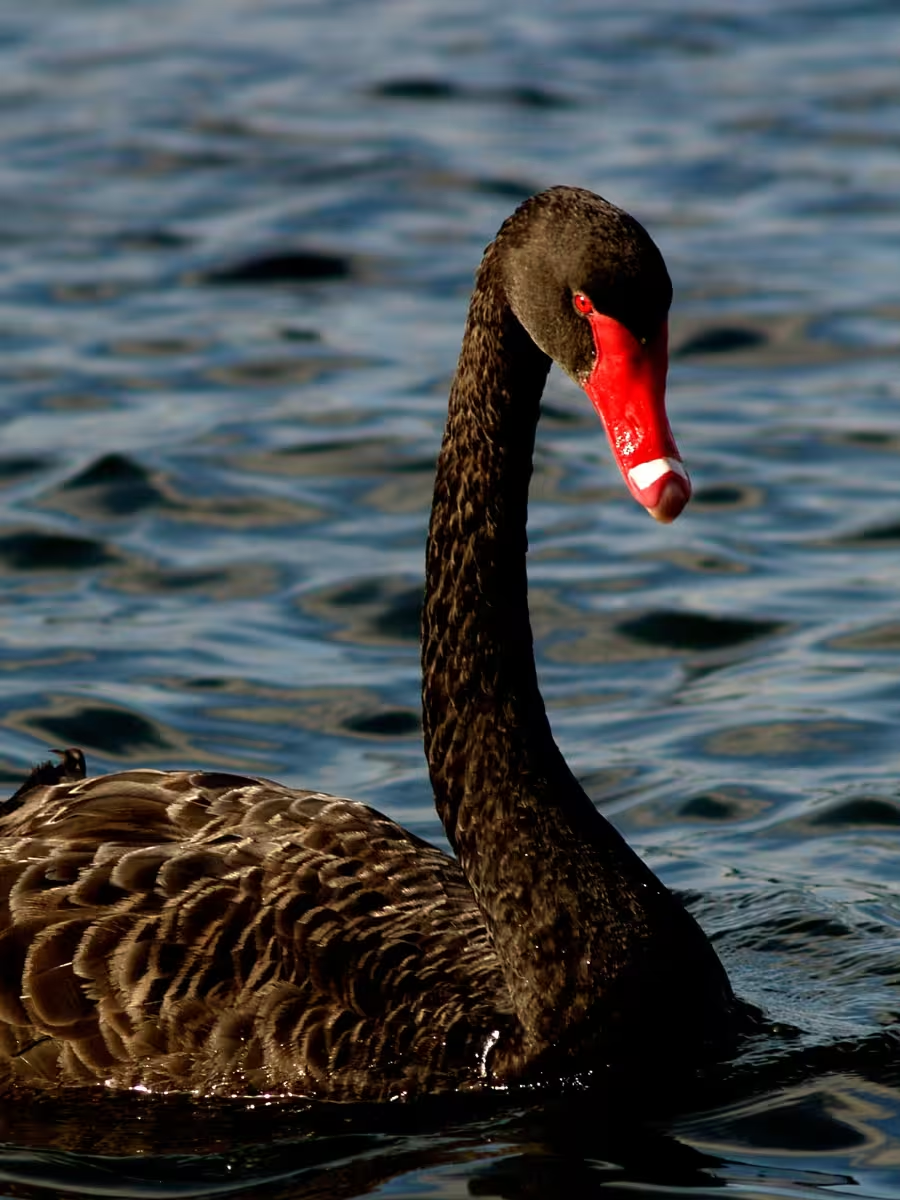
Black swans (Cygnus atratus) are one of the easiest native animals to spot in Perth. They’re not only our state bird and featured on the WA flag, but they’ve also got deep cultural significance as a Noongar totem animal and symbol of the Swan River itself. You’ll usually see them gliding across lakes and estuaries or resting on the banks in pairs or small flocks. They’re most active in the cooler parts of the day, and if you’re lucky, you might catch a glimpse of fluffy grey cygnets (baby swans!!!) trailing behind their parents in spring.
These aren’t shy birds, but they are wildlife. If you know where to go, and what to look for, black swans are a reliable and beautiful part of the Perth landscape.
Mini Guide to Perth
Here are my top tips for your Perth adventure!
Where to Stay:
- The Ritz-Carlton Perth (luxury)
- Tribe Perth (stylish and affordable)
Places to Eat and Drink:
- Songbird Bar (cocktails with stunning river views)
- Wildflower (fine dining inspired by the Noongar six seasons)
- Little Bay Bar & Eatery (best brunch)
Things to Do:
5 Best Places to See Black Swans in Perth
Perth’s wetlands, lakes and rivers are prime territory for black swans. While you can sometimes spot them from the freeway or gliding down the Swan River, it’s worth heading to one of these key spots for a better look. These are the places where swans regularly feed, nest and gather – often with plenty of other birdlife around too.
1. Lake Monger, Wembley
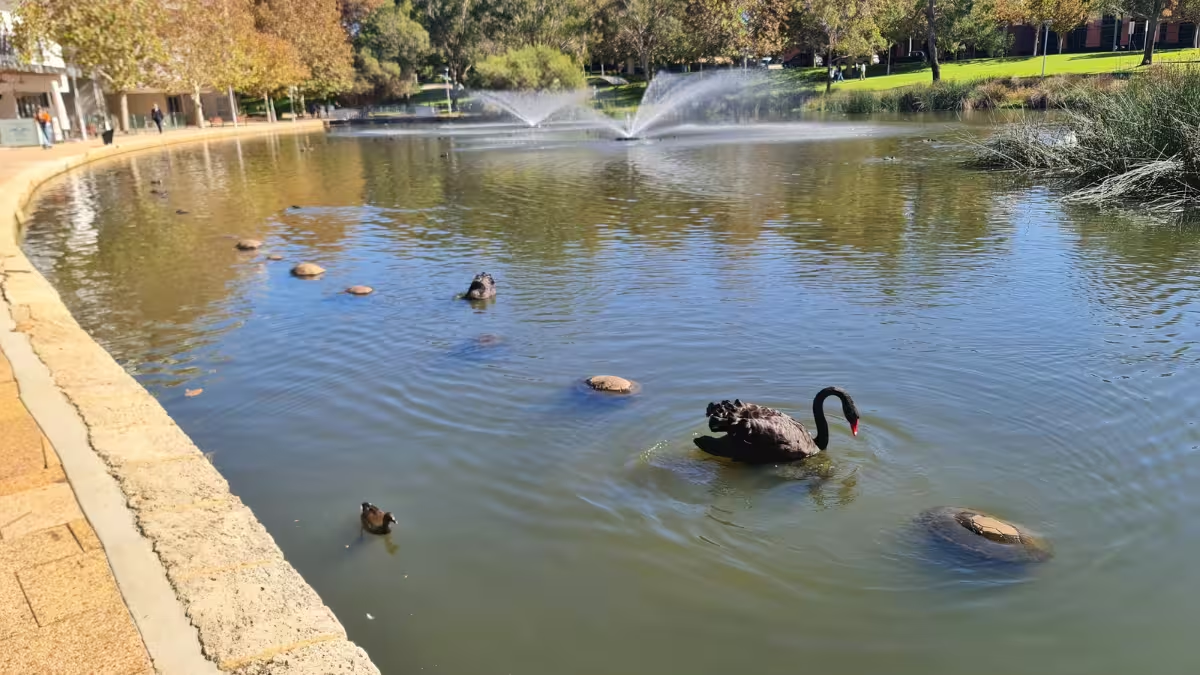
If you’ve only got time to visit one spot, make it Lake Monger. Just a few minutes from the Perth CBD, this large urban wetland is one of the most reliable places to see black swans in action. They’re often spotted paddling across the lake in pairs or grazing along the grassy edge trails. In spring, you might even see nests or families of cygnets sticking close to their parents.
There’s a 3.5 km loop path around the lake that’s flat, paved and well maintained – easy for walking, prams, wheelchairs or bikes (I personally love going for a run here!). Parking is available at several points along the lake, including off Lake Monger Drive and Powis Street, and there are toilets, picnic tables and shaded spots near the playgrounds on the western side.
Early morning and late afternoon are best for bird activity, and the light’s better for photography too. You’ll likely see other native species while you’re there – coots, ducks, ibis, spoonbills, and even the occasional pelican.

2. Herdsman Lake, Churchlands
Herdsman Lake feels a bit wilder than Lake Monger, even though it’s just a few minutes up the road. It’s one of the largest urban wetlands in Perth and a great place for a slower wander, especially if you’re into bird photography. Black swans are a regular sight here, often feeding in the shallow water or resting along the reedy edges. It’s a quieter spot overall, which means you can usually watch them without too much foot traffic around.
There’s an extensive network of walking and cycling trails around the lake, some paved and others gravel. The main loop is about 7.5 km, but you can easily do shorter sections. The area around the Herdsman Lake Discovery Centre is one of the best access points, with boardwalks, bird hides and good views across the water.
The Discovery Centre itself is worth a visit if it’s open (usually weekdays and select weekends—check ahead). It offers interactive displays, local wildlife info and sometimes guided walks. There’s a car park, toilets and picnic areas nearby, and the paths around the centre are flat and wheelchair accessible.
Just a heads-up: I always find the surrounding roads to be painfully busy during weekday peak hour, especially around Herdsman Parade and Jon Sanders Drive. If you’re visiting in the afternoon, try to head out before 4pm or expect a bit of a crawl getting back onto the main roads.
Read this next: Where to see Kangaroos in Perth: Wild Encounters & Close-Up Experiences!
3. Swan River Foreshore (Matilda Bay to South Perth)
If you’re after a classic black swan sighting with one of Perth’s most iconic backdrops, this stretch of the Swan River is hard to beat. I live near the river and see them almost every day! They can regularly be seen gliding along the water near Matilda Bay, basking on the sandbanks around Sir James Mitchell Park, or cruising past kayakers near the Narrows Bridge. It’s a scenic, easy-access option, especially if you’re already in the city.
There are plenty of grassy spots for a picnic, and cafés nearby if you’re keen for a coffee or bite to eat. The foreshore paths are flat and wide, ideal for walking, cycling or wheelchair users.
It’s also a nice area to explore by kayak or stand-up paddleboard, if you’ve got your own gear or hire one nearby. Just be mindful not to paddle too close to swans, especially during breeding season – they can get defensive if they’ve got cygnets in tow.
You’ll often see pelicans, cormorants and dolphins along this stretch too, so keep your eyes peeled!
4. Lake Joondalup, Yellagonga Regional Park
Lake Joondalup is part of Yellagonga Regional Park, and it’s one of the most reliable spots north of the river to see black swans. They’re often found near Neil Hawkins Park, where a long boardwalk stretches out over the lake – perfect for a close look without disturbing the birds. I’ve had some great early morning visits here, with swans gliding silently through the mist and spoonbills picking their way along the reeds nearby.
The area is ideal for families, with a big playground, picnic shelters and toilets all located within Neil Hawkins Park. The walking and cycling trails are well maintained and mostly flat, so it’s a good option for prams or anyone wanting an easy loop.
Parking is available just off Boas Avenue and is usually easy to find outside of weekend peak times.
Keep an eye out for turtles, frogs and long-necked swamp hens too – there’s plenty going on if you’re patient!
5. Bibra Lake, Beeliar Regional Park
Bibra Lake flies a bit under the radar, but it’s a peaceful spot with plenty of wildlife and a good chance of spotting black swans. They tend to hang out on the far side of the lake or near the shallower edges, especially in the early morning. It’s also one of the best places to see a wide range of other birds – everything from spoonbills to darters and swamp hens.
There’s a 6 km loop trail around the lake that’s mostly flat and paved, with several boardwalks and viewing platforms along the way. It’s accessible for wheelchairs and prams, and you’ll find bird hides tucked among the trees for quieter viewing if you want to settle in and watch for a while.
Facilities include picnic areas, barbecues, toilets and several car parks around the lake’s edge. It’s also part of Beeliar Regional Park, so you’ll find signs and info boards with details about local flora and fauna.
If you’re after a quieter alternative to the inner-city wetlands, Bibra Lake is a great pick – especially for birdwatchers or anyone looking for a slower-paced walk.
Read this next: Where to See (and Hold!) Koalas in Perth
Black Swan Conservation
Black swans aren’t just a familiar part of Perth’s landscape – they’re deeply woven into the identity of the region. They hold cultural significance as a totem animal for Noongar people and are a protected species under WA law. They’re also featured on the state flag and emblem, making them one of the most recognisable symbols of Western Australia.
While they’re commonly seen in parks and wetlands, it’s important to remember they’re still wild animals. Feeding them, especially bread, can harm their health and disrupt natural behaviour. If you’re walking a dog, keep it on a lead and away from the water’s edge, particularly during nesting season. And wherever possible, stick to marked trails to avoid disturbing their habitat.
Observing black swans from a respectful distance helps protect them, and ensures these graceful birds remain a part of everyday life in Perth.
Tips for Visitors
Keep these tips in mind for your best chance at spotting them!
- Bring binoculars or a zoom lens if you want close-up views or better photos
- Early morning or late afternoon is best for both lighting and swan activity
- Don’t feed the swans – bread and other human food can make them sick
- Watch your step around grassy areas and paths (swan droppings are hard to avoid)
- In summer, mosquitoes can be relentless – pack repellent
- Keep dogs leashed, especially near the water or during nesting season
Read this next: Ultimate Guide to the Hamelin Bay Stingrays
Fun Facts About Black Swans
Here’s some Black Swan trivia for you!
- Black swans are native only to Australia
- Both male and female swans help build the nest and raise the young
- Cygnets can swim almost immediately after hatching
- Their striking red bills contrast with their name – they’re not entirely black
- They can be surprisingly aggressive if they feel their nest or cygnets are threatened
Check out the WA Museum Website to learn more about black swans.
Read this next: How and Where to See Quokkas on Rottnest Island: Tips for the perfect Quokka Selfie!
Last Words on Where to See Black Swans in Perth
Whether you’re strolling along the river or heading out to one of Perth’s lakes, chances are you’ll cross paths with a black swan or two. They’re easy to find if you know where to look – and even easier to appreciate once you slow down and watch them go about their day. For something so common here, they still manage to feel pretty special!
Perth to Bunbury Road Trip Guide

Lights, Nature, Magic: Lightscape Returns to Kings Park This Winter
Dolphins in Perth: How to See and Swim With Dolphins

Fishing in Mandurah: The Complete Local Guide to Spots, Species & Seasons

Complete Guide to Fishing in Bunbury WA: Top Spots, Gear Tips & What You’ll Catch

